
A Passive House (from the German Passivhaus) is a home built to one of the most rigorous energy-efficiency standards in the world. Instead of relying on large furnaces and air conditioners to fight the weather, a Passive House is designed and built so that the building itself does most of the work.
The result is a home that can use up to 90% less energy for heating and cooling than a conventional house — while being noticeably quieter, more comfortable and healthier to live in.
The five core principles
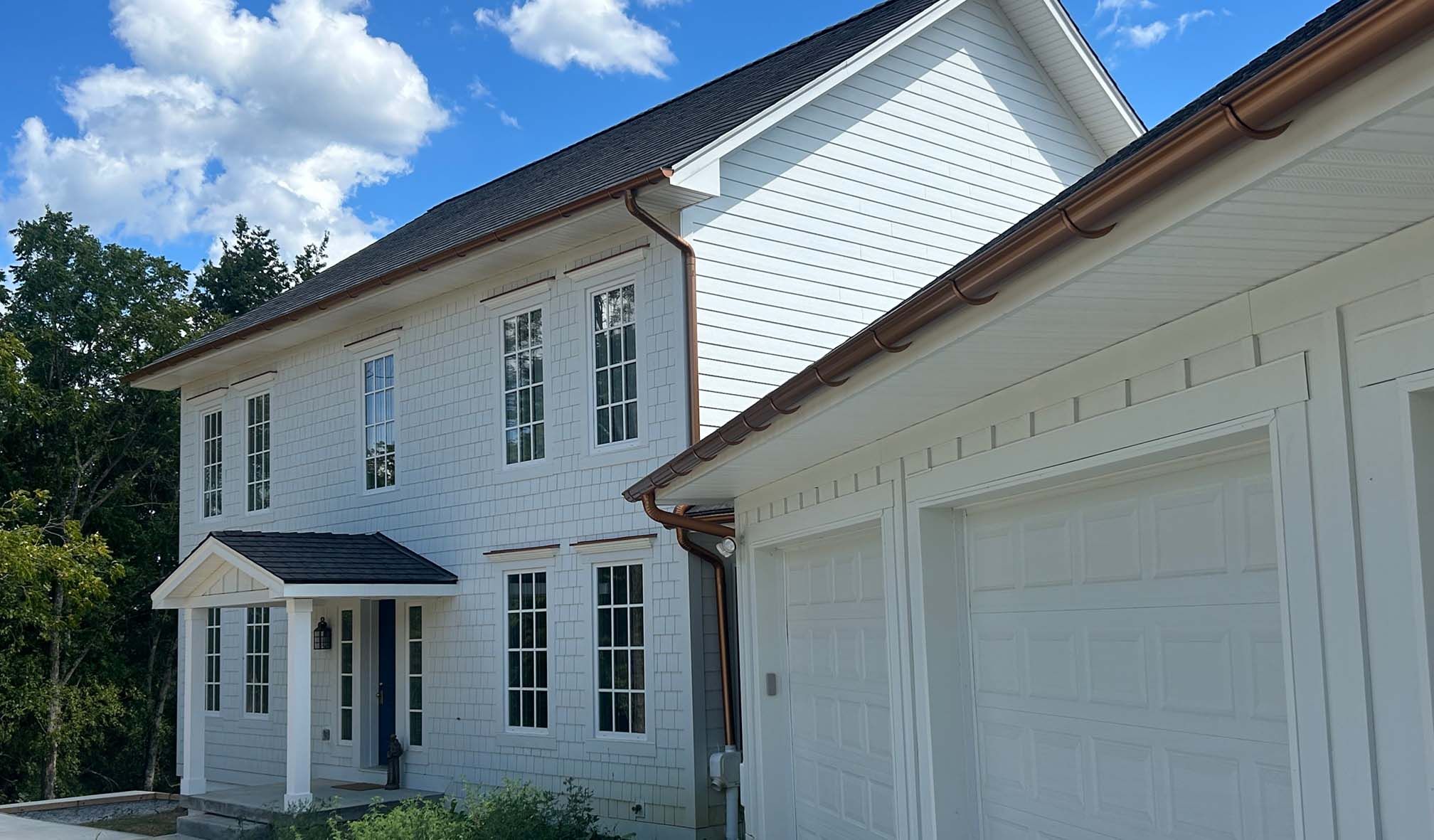
Every Passive House, whether it’s a modern farmhouse in Oldham County or a compact infill home in Louisville, is built on the same building-science fundamentals:
- Continuous insulation. A thick, unbroken layer of insulation wraps the entire home — walls, roof and foundation — so there are no weak spots for heat to escape.
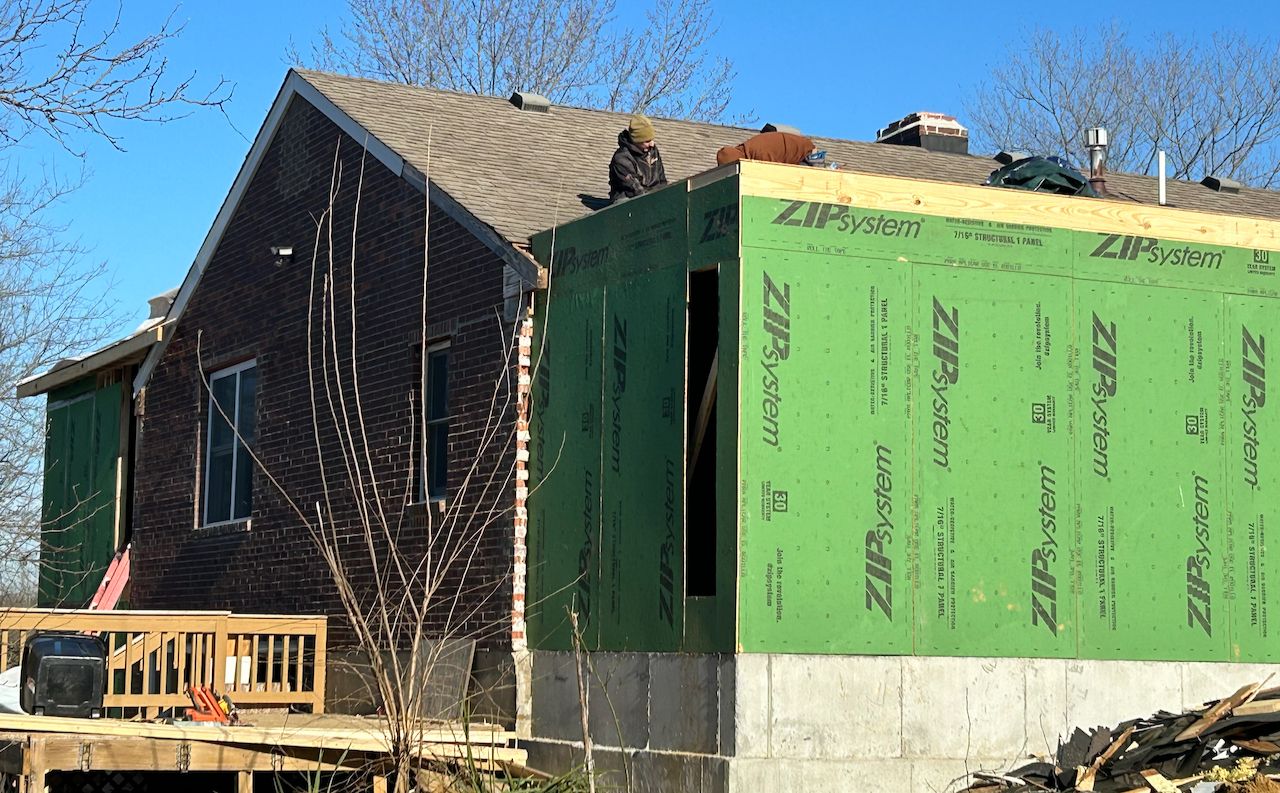
- An airtight building envelope. Every seam, joint and penetration is carefully sealed. Airtightness is measured on site with a blower-door test, not just assumed.
- High-performance windows and doors. Typically triple-pane glazing with insulated frames, installed to avoid drafts and cold spots.
- Balanced ventilation with heat or energy recovery. An ERV or HRV brings in a constant supply of filtered fresh air and recovers most of the energy from the outgoing stale air.
- Thermal-bridge-free details. Corners, connections and structural elements are detailed so heat can’t sneak around the insulation — which also prevents condensation and mold.
A Passive House doesn’t just save energy. It changes how a home feels — even temperatures, no drafts, and fresh air in every room.
What does “Phius certified” mean?
In North America, the leading Passive House standard is administered by Phius (Passive House Institute US). Phius sets performance targets tailored to the local climate, which matters a great deal in a mixed climate like Kentucky’s, where we have both hot, humid summers and cold winters.
There are two separate credentials worth knowing:
- Phius-certified projects are homes that have been modeled, inspected and tested by third parties to prove they meet the standard.
- Phius Certified Builders are professionals trained in the techniques required to build those homes correctly — air sealing, insulation detailing, ventilation installation and quality control.
Blackwell Built Construction is a Phius Certified Builder, and we bring that same level of detail to every project, whether or not the homeowner pursues formal certification.
The benefits you’ll actually notice
- Dramatically lower utility bills. Heating and cooling loads are so small that mechanical systems can be far smaller.
- Exceptional comfort. No cold floors, no drafty rooms, no hot upstairs bedrooms.
- Healthier indoor air. Continuous, filtered fresh air with controlled humidity.
- A quieter home. The same envelope that keeps heat in keeps traffic and neighborhood noise out.
- Durability. Well-detailed assemblies stay dry, which means fewer moisture problems over the life of the home.
- Net-zero ready. Because energy use is so low, a modest solar array can often cover a Passive House’s remaining needs.
Does a Passive House cost more?
Building to Passive House performance typically involves some added up-front investment in insulation, windows, ventilation and the labor required for careful detailing. Much of that is offset by smaller heating and cooling equipment and, over time, by significantly lower monthly energy costs. The best way to control cost is to involve an experienced builder early in design, when decisions about shape, orientation and wall assemblies are cheapest to make.
Is a Passive House right for you?
If you value comfort, health, long-term durability and low operating costs — and you’re planning to stay in your home for years to come — a Passive House or high-performance home is worth a serious look.
Thinking about building in Louisville, Lexington, Cincinnati or Nashville? Request a consultation and we’ll walk you through the process, the options and what it would take to bring your project to Passive House performance.